



Progressive politics, as we know it, would not exist without Jesse Jackson. Jackson’s style, his coalition-building, and his unapologetic expansion of who gets to belong in the American story, laid the foundation for modern-day progressivism on the Left.
You can debate his tactics, and many do, you can critique pinnacle moments in his career, as has been done, but you cannot erase his Blueprint.
Here are 3 truths about Jesse Jackson that too many people overlook:
He Understood Television the Way Millennials Understand the Internet
Jesse Jackson grasped something fundamental long before it became obvious: media is power.
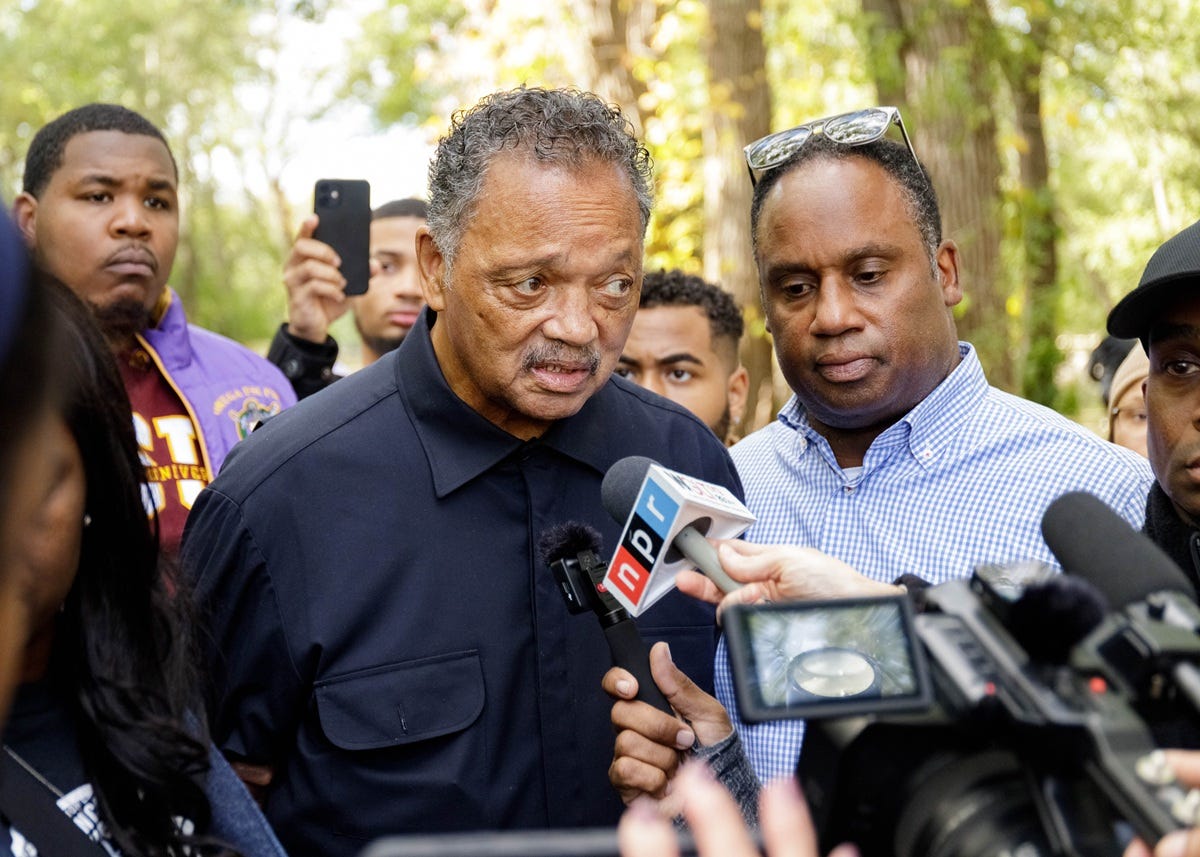
Even today many accuse Jackson of starting trouble and running to the TV cameras for attention. Yep! He sure did. In the late ‘50’s through the 1980’s, television wasn’t just entertainment — it was the national campfire and Jackson treated TV like a strategic weapon. Many thought TV was his vanity project. But it wasn’t. TV allowed him to bypass media gatekeepers because Jackson knew his cause would never make the top fold of the New York Times or the Washington Post.
He knew a well-timed speech, a march, an interview, a debate performance could pierce households that would never attend a rally. He turned the TV screen into an organizing tool.
Millennials later did this with blogs, chat rooms, and YouTube. Gen Z does it instinctively on TikTok and Instagram. But Jackson did it with network cameras and Sunday talk shows.
He understood that if you could shape the image, you could shape the narrative. And if you could shape the narrative, you could move the country.
He Redefined How Black Political Leadership Could Show Up
Before it was common, before it was safe, Jackson broadened the visual language of Black leadership.
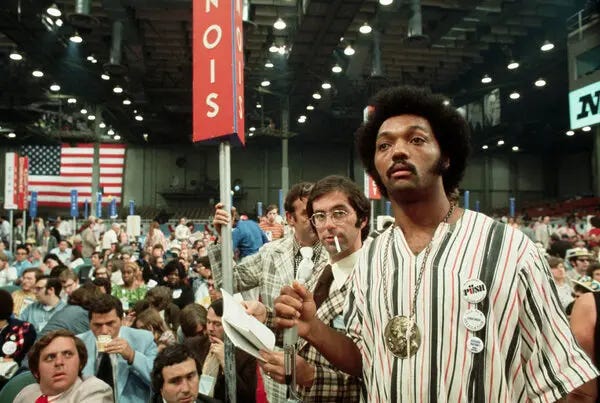
He didn’t confine himself to the respectability politics box. Afros. Rolled-up sleeves. T-shirts and dashikis. He blended a preacher’s cadence with street-level accessibility and he moved seamlessly between the pulpit and the picket line.
King, Malcolm X, Rustin, Lewis all thought it was important to show up to rallies in their Sunday’s finest. Because presentation is political. The way a leader dresses, speaks, and occupies space signals who belongs. But we witnessed white southerners didn’t care. Men in 3-piece suits were bitten by police dogs. Women wearing pencil skirts and cardigans were beaten bloody.
Jackson made it clear that Black leadership didn’t have to sanitize itself to be legitimate. He helped normalize the term authenticity long before authenticity became a branding strategy.
He Built the Rainbow Before It Was Popular
Long before it was fashionable to talk about intersectionality, Jackson was building what he called the “Rainbow Coalition” — linking Black voters, with poor whites, and Latino laborers in agriculture, and yes, even the LGBT community.
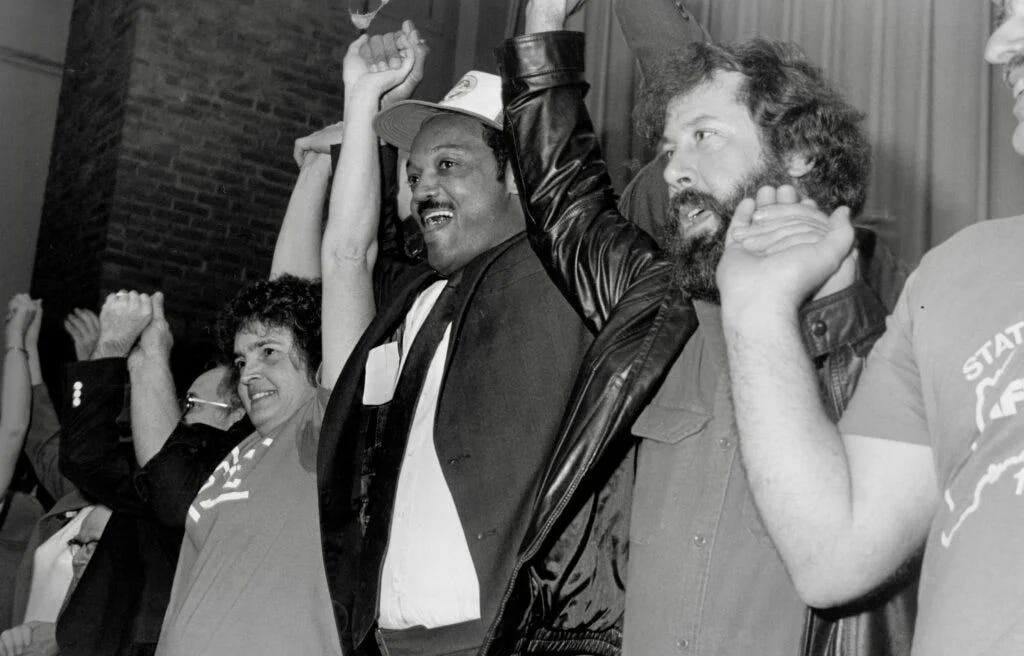
He did all this at a time when doing so carried real political risk. He pushed an economic justice agenda that crossed racial lines when many leaders were still trapped in siloed thinking.
Sound familiar?
There is no Bernie Sanders railing against billionaires without Jackson first nationalizing economic populism in Democratic politics. There is no Alexandria Ocasio-Cortez speaking fluently about multiracial working-class coalitions without Jackson laying the groundwork for ‘I Am Somebody’. And there is certainly no Barack Obama mounting a viable presidential campaign without Jackson proving that a Black candidate could compete nationally and win millions of votes.
Jackson didn’t just run for president, he expanded the definition of who could be president. For that we should all be eternally grateful.